Beached waste: the challenge to preserve Italy’s coastal heritage
Beached waste: the challenge to preserve Italy’s coastal heritage

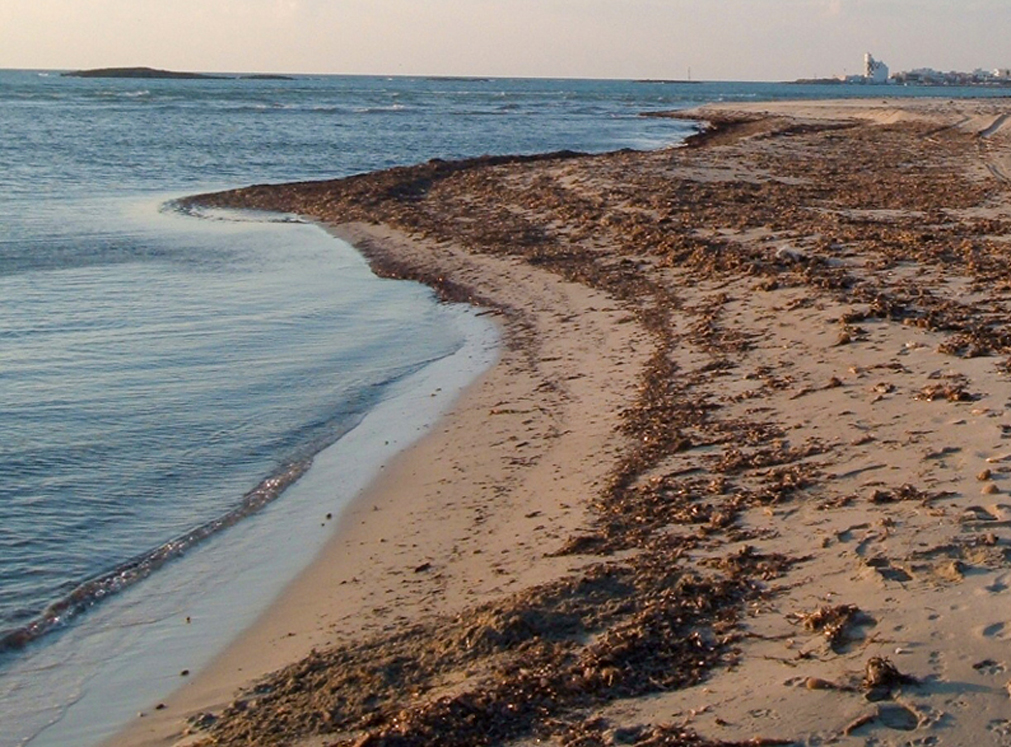
The Bel Paese has approximately 7,500 km of coastline, with an erosion rate of approximately 50% (source: ISPRA), for a scenario that sees Italy as the first country in Europe for the greatest number of kilometers of coastline involved, with a high percentage of beached waste. Hence the need for urgent interventions to protect the coastal ecosystem and seaside tourism.
Providing a more accurate picture of the situation is the new survey Beach Litter by Legambiente with an analysis of the beached waste collected and catalogued by the environmental association and the use for the first time of the Clean Coast Index (CCI), a useful indicator for determining the “degree of cleanliness” of the beaches in an immediate and objective way, based on the density of waste present in the sample areas monitored and used internationally. 33 beaches belonging to 12 regions of the Peninsula were specially observed for a total of 179,000 m2 monitored. Here 23,259 pieces of waste were collected and catalogued, with an average of 705 pieces of waste every 100 meters of linear beach.
But where does this waste end up? The answer comes from the Gruppo Esposito, the first company in Europe to create a patented plant for the treatment and recovery of beached waste.
There is a breakthrough in the context of waste management, because the Orobic plant not only recovers waste, but also allows the sand taken from the beach to be returned, washed and purified, to the beach of origin, thus protecting the entire coastal ecosystem and improving the quality of the shoreline.
While the separated organic fractions (mainly made up of posidonia), appropriately treated, can become compost for agriculture (also because they are deprived of salt) or can be used for the creation of green building materials (for example thermal/acoustic insulation panels).